We Are Righteous: The Backstory Behind the Name
A story is something that every clothing label puts forth, yet hardly any can show the particular tension that made the brand necessary from day one. We Are Righteous was born out of a plain frustration: far too many apparel brands were pushing attitude without substance, slapping catchphrases on lightweight cotton and calling it culture. The people behind We Are Righteous sought something tougher — literally and figuratively. What they were chasing was garments that would withstand everyday use while carrying a name that carried real weight to the person putting it on. The pairing of toughness and belief is to this day the throughline running through the brand as it stands now.
The name itself — and the intent behind it — is what distinguishes this origin story from the familiar “we started in a garage” account. Righteous is not a disposable word selected because it felt catchy on a hangtag. It was picked because it signals staying resolute in what you believe, irrespective of trend cycles or pressure from others. That philosophy shaped all aspects from the earliest drawings to the material-sourcing choices that came later. Grasping this origin helps illuminate why the brand’s wearers discuss it in a different way than they talk about competing streetwear brands.
The Origins of the Righteous Clothing Brand
The earliest version of the righteous clothing brand wasn’t a full collection — it was a small set of pieces designed to determine whether the concept could succeed. The founders mapped out ideas around a central belief: clothing should operate as a understated declaration of identity, not a attention-grabbing stunt. Their aim was to create pieces that held their appearance in the third year as they did on day one, which entailed forgoing cheaper construction methods in favor of stronger stitching and denser materials from the start.
Such upfront diligence mattered more than most founders acknowledge. Many apparel new brands launch with a logo and a aspiration, then hustle to fix defects after the initial round of buyer feedback. We Are Righteous took the opposite approach, spending extra time on sizing tests and material trials before releasing anything publicly. The initial release was kept deliberately limited, confined to a few essential shapes, so the team could obtain authentic responses instead righteousoutlet of guessing at scale. This cycle of input became a lasting fixture of how the brand operates, still shaping decisions in 2026 the same way it did at launch.
On top of that, there’s a communal thread to the backstory that’s often overlooked. The founders weren’t trying to build a brand in isolation — their goal was for those who connected with the “righteous” mindset to sense they’d discovered something made just for them. Those early supporters went beyond simply buying; they were treated like collaborators whose opinions on fit, color, and fabric weight directly influenced the next production run. Loyal followers so often call the brand personal instead of corporate, which stems largely from that dynamic.
The Philosophy Behind Righteous Apparel
At the center of every righteous apparel release is a simple test: does this piece hold up to both physical wear and the values the brand claims to represent? That two-part filter shows up in decisions about stitching density, fabric weight, and even which prints make it to production. The team has said no to plenty of designs that looked fine on paper but didn’t match the brand’s standard for longevity or message.
This isn’t a label following every micro-trend that pops up across social platforms. In its place, the design thinking favors garments with lasting relevance — fits and hues designed to stay relevant beyond eighteen months. Fast fashion’s cycle of overproduction and rapid obsolescence, which routinely churns out new “must-have” items every few weeks only to discard last month’s version almost immediately, is exactly what this approach deliberately breaks from. Since the goal is a five-year wear life rather than a five-week trend window, Righteous apparel takes longer to develop.
There’s also a strong commitment to transparency that comes through in how the brand talks to shoppers. Size guides, material makeup, and care details are laid out plainly rather than tucked away in dense legal text, because the founding team feels trust is built through clarity, not marketing spin. Such transparency has clearly boosted loyalty among shoppers — repeat-purchase figures for the hoodie line have steadily beaten out single-purchase customer numbers, according to internal sales tracking shared by the company in past updates.
The Righteous Hoodie as a Flagship Piece
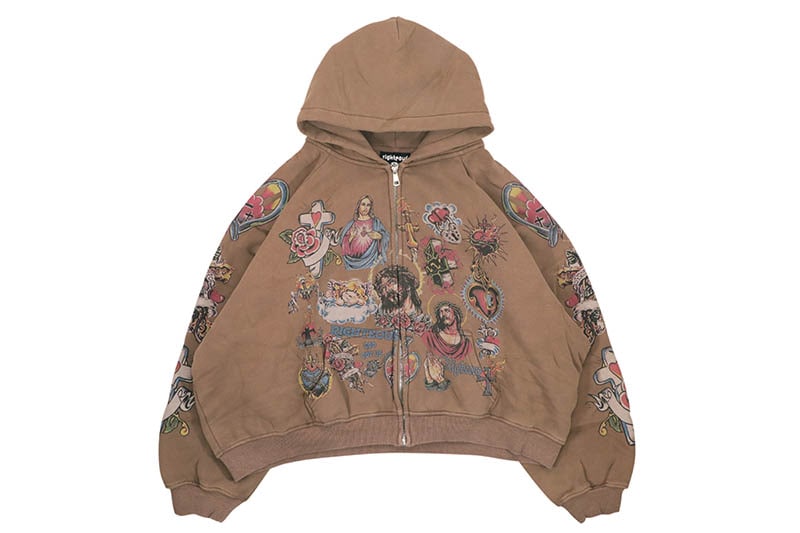
The righteous hoodie is, above everything else in the lineup, the piece that sums up the label’s identity. It became the flagship item almost by accident — first-wave shoppers repeatedly reordering it in different colorways faster than any other item in the catalog, drawing the brand’s notice. More than the name across the chest, the hoodie’s draw lies in a fit that flatters across body types, alongside a weight sturdy enough for colder months yet not turning bulky.
The label’s overarching principles are visible in every manufacturing choice made for the hoodie. Bolstered cuff bands, seams stitched twice over at pressure zones, and a material blend chosen for both softness and durability all trace back to that founding idea: clothing should last, not just look good in a product photo. Multi-season owners often mention in their reviews that the hoodie keeps its shape and color better than comparable pieces from larger competitors, and for loyal wearers, that outweighs any amount of flashy marketing.
Within the brand’s community, the hoodie has also turned into a kind of cultural marker. Wearing it signals familiarity with the brand’s backstory and its values, not just an appreciation for the design. Building that is harder than designing a good logo — it requires consistent product quality over multiple release cycles, which is exactly what the flagship hoodie has delivered since it first appeared in the catalog.
What a Righteous Review Actually Reveals
Look up a righteous review online in 2026 and a pattern shows up fast: buyers concentrate less on hype and more on fit, fabric feel, and whether the item lives up to its product description. That’s a meaningful shift from the exaggerated unboxing culture that dominates a lot of streetwear marketing. Reviewers covering We Are Righteous tend to zero in on particular details — the fit of the hoodie after several washes, the durability of the stitching, and whether sizes run true.
That kind of specificity in a we are righteous review says something about the brand’s actual performance, not just its marketing. Feedback that emphasizes long-term durability over initial impressions tends to matter more to prospective buyers, and it’s exactly this kind of feedback that has shaped this brand’s reputation.
Across a we are righteous review, common threads also include customer service responsiveness and how well the finished item matches its online presentation. The alignment between promotional photos and the item that arrives is frequently praised, especially since so many online apparel brands fall short in exactly that area. When shoppers describe the product as looking “just like the photos,” it’s a meaningful sign in an industry plagued by mismatched expectations.
We Are Righteous Versus the Competition
To frame the brand’s approach, here’s a look at how its key attributes measure up against typical fast-fashion competitors within the same price tier.
| Category | We Are Righteous | Common Fast-Fashion Alternative |
|---|---|---|
| Release cadence | Seasonal releases built around lasting value | Frequent weekly drops driven by trends |
| Fabric approach | Heavier weight, reinforced seams | Thin fabric aimed at cutting costs |
| Feedback process | Direct input shapes future runs | Barely any input beyond raw data |
| Signature item | Righteous hoodie, repeat-purchase favorite | Ever-changing “hero” items and poor customer retention |
| Brand messaging | Rooted in values and delivered consistently | Driven by trends and inconsistent |
This isn’t intended as a blanket dismissal of competitors — quick-turnaround fashion models fill a function for shoppers prioritizing low prices over longevity. What becomes obvious, though, is why countless shoppers seeking out a righteous clothing brand become repeat customers after trying a piece firsthand. The value proposition is different by design, not by accident.
Where the Brand Stands in 2026
Looking ahead to 2026, We Are Righteous keeps growing its range while remaining faithful to the core values it launched with that shaped its earliest release. Fresh color options and silhouettes have been added, but the commitment to durable fabric and honest marketing hasn’t slipped. Its expansion has been measured rather than rapid, which tracks with its approach of expanding at a careful pace and avoiding the overextension that derails so many apparel startups.
As a measure of how the brand is doing, customer loyalty remains the clearest signal. Repeat buyers continue to anchor sales, and the flagship hoodie remains a top performer season after season. For anyone weighing whether to try the brand for the first time, the origin story offers a valuable way to look at it: this isn’t a brand after fast internet fame, but instead one built around the belief that clothing should express both style and values. In a crowded market, this difference is precisely what keeps righteous clothing distinct.